



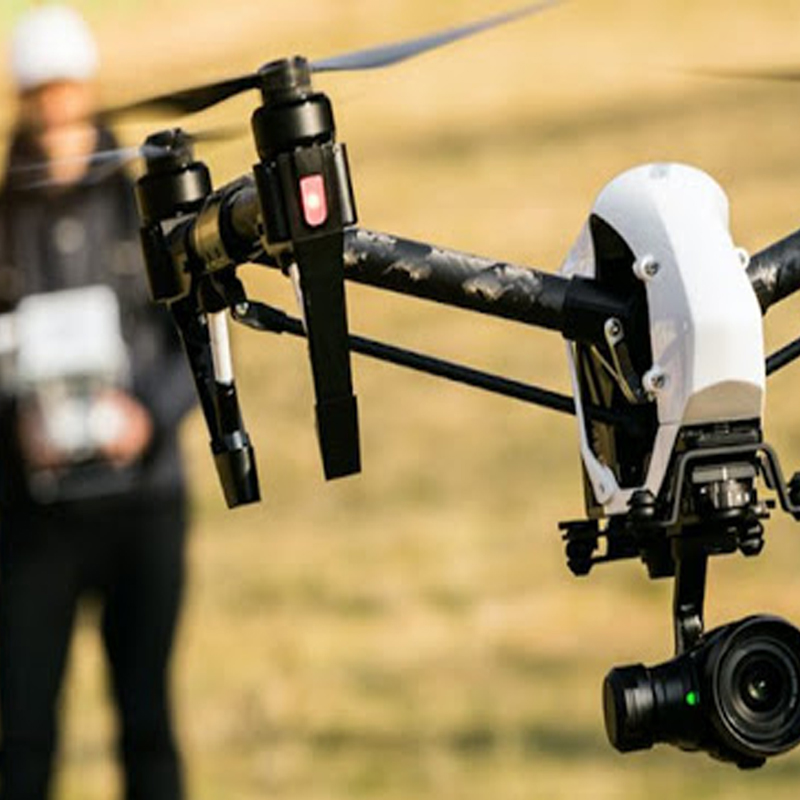
Aerial photography refers to the technique of capturing images of the Earth’s surface from elevated points. This term is often used for photographs taken from the air. An aerial photo is a real image of the features and visible characteristics of the Earth’s surface, taken by an aircraft using an aerial camera. The use of aerial photographs is common for geological studies, road construction, urban planning, agriculture, natural resource management, environmental protection, and most importantly, for military and security purposes. In the past, in many countries, aerial photographs were used instead of main maps in fieldwork.
Marginal Information of Aerial Photography
- Photo number: Along with the sequential number, in some cases the strip number or block number of the photographed area is mentioned. These numbers are essential for organizing and using aerial photos.
- Focal length: Usually written or printed on the margin of the aerial photo in millimeters to hundredths of a millimeter; necessary for calculating the photo scale.
- Fiducial marks: These marks usually appear as crosses in the corners of aerial photos or triangular notches in the middle of the edges.
- Altimeter: An instrument that shows the aircraft’s flight altitude relative to the reference level, usually the mean sea level.
- Clock: Important for knowing the exact time of photography and for analyzing shadows.
- Level (Tilt indicator): Shows the approximate deviation of the camera during flight and photography.
- Camera number: Used in more detailed examinations of aerial photographs.